
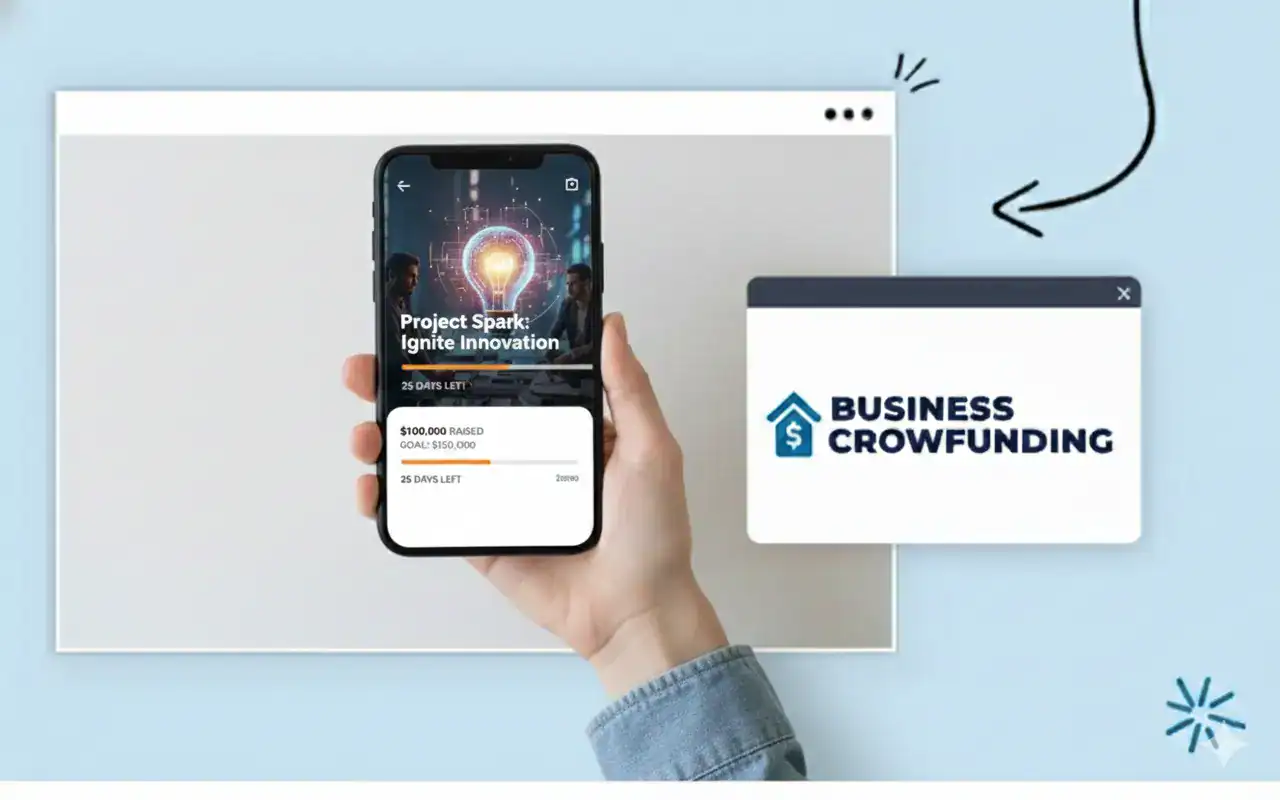
Starting a small business often means figuring out how to fund it before steady revenue exists. For many founders, traditional bank loans aren’t accessible early on, and investors may not be a fit, especially for early-stage ideas or first-time entrepreneurs. Crowdfunding has emerged as a more accessible alternative for businesses looking to raise capital without relying on a single lender.
Crowdfunding appeals to many founders because it allows them to present their idea directly to potential supporters, often while building early visibility for their brand. However, crowdfunding is not guaranteed funding, and it isn’t a shortcut around financial planning. Running a successful campaign requires preparation, promotion, and follow-through.
In this guide, we’ll explain what crowdfunding is, how crowdfunding works, the different types of crowdfunding used in business, and how to decide whether it’s the right funding option for your small business.
What is crowdfunding in business?
Crowdfunding in business is a method of raising money by collecting smaller contributions from a large number of individuals, typically through an online platform. Instead of borrowing from a bank or securing funds from a single investor, businesses invite the public to support their idea.
Unlike traditional business loans, crowdfunding does not always involve interest payments or long-term debt, making it a very attractive option for many types of startups. However, keep in mind that crowdfunding generally isn’t completely free of obligations. Depending on the crowdfunding model used, you may be expected to deliver products, repay funds, or share ownership with stakeholders.
Most crowdfunding efforts take place online, allowing businesses to reach supporters beyond their immediate geographic area. This makes crowdfunding especially appealing for startups with digital products, physical goods, or strong community appeal.
How does crowdfunding work?
At its core, crowdfunding follows a structured process, though the details vary depending on the crowdfunding model and platform. With all crowdfunding models, however, the basic concept is generally the same: Businesses publicly present their idea and invite individuals to contribute funds during a defined campaign period.
The typical crowdfunding process includes:
- Choosing a crowdfunding model that fits your business needs
- Selecting a platform that supports that model
- Setting a funding goal and campaign timeline
- Promoting the campaign to attract supporters
- Receiving funds and meeting post-campaign obligations
Some platforms use an all-or-nothing model, where funds are only released if the goal is met. Others allow businesses to keep whatever amount is raised. Understanding these mechanics is essential before launching, and each crowdfunding model comes with different expectations, which we’ll explore in the next section.
What is a crowdfunding campaign?
A crowdfunding campaign is a structured, time-limited effort used to raise funds. It typically consists of a dedicated campaign page hosted on a crowdfunding platform where potential supporters can evaluate the opportunity.
Key components of a crowdfunding campaign include:
- A public-facing page explaining the business and funding purpose
- A specific funding goal tied to business needs
- A defined deadline that outlines when funding must be received
- A clear offer to supporters
Crowdfunding campaigns are performance-based. Success depends on visibility, trust, and engagement. Businesses will need to meet the milestones or provide the deliverables by the deadlines specified at the outset of the campaign — and failure to meet those deadlines can result in declining support or even cause the campaign to end. Because this process requires direct interaction with investors, most campaigns require consistent updates, social promotion, and direct outreach throughout the funding period to maintain momentum and credibility.
Types of crowdfunding for small businesses
There are several types of crowdfunding models used in business, and each carries different legal, financial, and operational implications. Choosing the right model affects not only how you raise money but also what happens after the campaign ends. Understanding these differences helps businesses avoid misaligned expectations and compliance issues later on.
Rewards-based crowdfunding
Rewards-based crowdfunding allows supporters to contribute money in exchange for a non-financial reward. This is not a grant program: Fulfilment requires rewards, which might include early access to a product, limited-edition items, or exclusive experiences.
This model is commonly used by product-based businesses, creative ventures, and startups testing new ideas. While supporters are not investors, businesses are obligated to fulfill promised rewards. Poor fulfillment planning can damage credibility and lead to reputational harm, making preparation essential.
Donation-based crowdfunding
Donation-based crowdfunding involves supporters contributing funds without receiving anything tangible in return. This model is most often associated with nonprofits, charities, or community-driven causes.
For for-profit businesses, donation-based crowdfunding is relatively rare. It may apply in specific situations — such as local initiatives or social-impact projects — but it generally isn’t a reliable funding strategy for commercial operations.
What Is equity crowdfunding?
Equity crowdfunding allows contributors to receive ownership shares in a business in exchange for their investment. Instead of rewards or repayment, supporters become shareholders with a financial stake in the company’s success.
In the United States, equity crowdfunding is regulated by federal securities laws and requires compliance with specific disclosure and reporting rules. Because of the legal complexity and long-term obligations to shareholders, equity crowdfunding is not suitable for all small businesses.
Debt-based crowdfunding (peer-to-peer lending)
Debt-based crowdfunding, also known as peer-to-peer lending, allows businesses to borrow money from multiple individuals with the expectation of repayment over time, usually with interest.
This model closely resembles traditional loans and requires predictable cash flow to manage repayments. While it may be easier to access than a bank loan, it still involves financial risk and ongoing obligations.
How to crowdfund as a small business
Crowdfunding success depends heavily on preparation. Businesses that treat crowdfunding as a structured business initiative, not a last-minute fundraising effort, tend to perform better.
The process generally involves:
- Choosing the crowdfunding model that aligns with your goals
- Setting realistic funding targets based on actual costs
- Validating demand before launch
- Building an audience before launch through email or social channels
- Actively promoting the campaign during its run
- Planning fulfillment, repayment, or shareholder communication after funding
Many successful campaigns generate most of their momentum early, making pre-launch planning one of the most important phases of the process.
What crowdfunding is not
Crowdfunding is often misunderstood as an easy or guaranteed way to raise money. In reality, it comes with tradeoffs, obligations, and risks, just like any other funding method.
Crowdfunding is not:
- Guaranteed funding: Launching a campaign doesn’t guarantee you’ll reach your goal or receive funds. Many campaigns fail due to lack of visibility, weak messaging, or insufficient pre-launch preparations.
- Passive income: Crowdfunding requires active involvement before, during, and after the campaign. Founders must promote the campaign, respond to questions, provide updates, and fulfill commitments.
- A replacement for grants: Small business grants don’t typically require repayment or fulfillment. Crowdfunding almost always does, which means you’ll be liable for some type of ongoing responsibility.
- Easier than traditional financing: While crowdfunding may be more accessible than a bank loan, it typically demands more time and public effort. Businesses must clearly explain their value, earn trust from strangers, and deliver on promises.
Treating crowdfunding casually — or as a last resort to financing — can lead to poor outcomes and long-term reputational damage.
Preparing your business before crowdfunding
Business readiness directly affects credibility. Supporters want to know they’re backing a legitimate, organized operation that can deliver on its promises — not just an idea. A well-prepared business signals professionalism, reduces risk, and builds trust with potential backers.
Before launching a campaign, businesses should have:
- A legally formed business entity: Operating as a registered business helps establish legitimacy and separates the business from the individual founder. Crowdfunding platforms, payment processors, and partners often expect businesses to be formally registered before funds are raised.
- The appropriate business structure in place: Choosing the right business structure affects liability, taxes, and how funds are handled. Many small business owners choose a limited liability company (LLC) because it offers a balance of simplicity and protection.
- Organized financial and operational information: Crowdfunding requires transparency. Businesses should understand how much money they need, how it will be used, and how obligations — such as fulfillment, repayment, or shareholder communication — will be handled after the campaign ends.
Many founders use tools like Tailor Brands to help form their business, manage compliance, and present a professional foundation before seeking public funding.
Is crowdfunding right for your business?
Crowdfunding works best for businesses with clear offerings, strong messaging, and the ability to engage an audience. It is not automatically the best choice for every founder or industry.
Before committing, business owners should compare crowdfunding with other funding options such as loans, grants, or private investors. The right choice depends on business goals, risk tolerance, and long-term plans — not just access to capital.
Conclusion
Crowdfunding is a legitimate funding option for small businesses, but it requires effort, transparency, and planning. It is not a guaranteed solution, nor is it risk-free.
When approached with realistic expectations and a strong foundation, crowdfunding can help businesses raise capital, validate ideas, and build early customer relationships. The key is understanding how it works and choosing a model that truly fits your business strategy.
FAQ
It’s a method of raising money by collecting smaller contributions from many individuals, usually through an online platform, instead of relying on a bank or single investor.
The main types are rewards-based, donation-based, equity, and debt-based crowdfunding, each with different obligations and legal implications.
No, many campaigns fail to reach their goal due to weak messaging, lack of visibility, or insufficient pre-launch preparation.
Unlike grants, crowdfunding almost always comes with obligations like fulfilling rewards, repaying funds, or reporting to shareholders.
A legally formed business entity, an appropriate structure like an LLC, and organized financial and operational information all help build credibility with backers.