
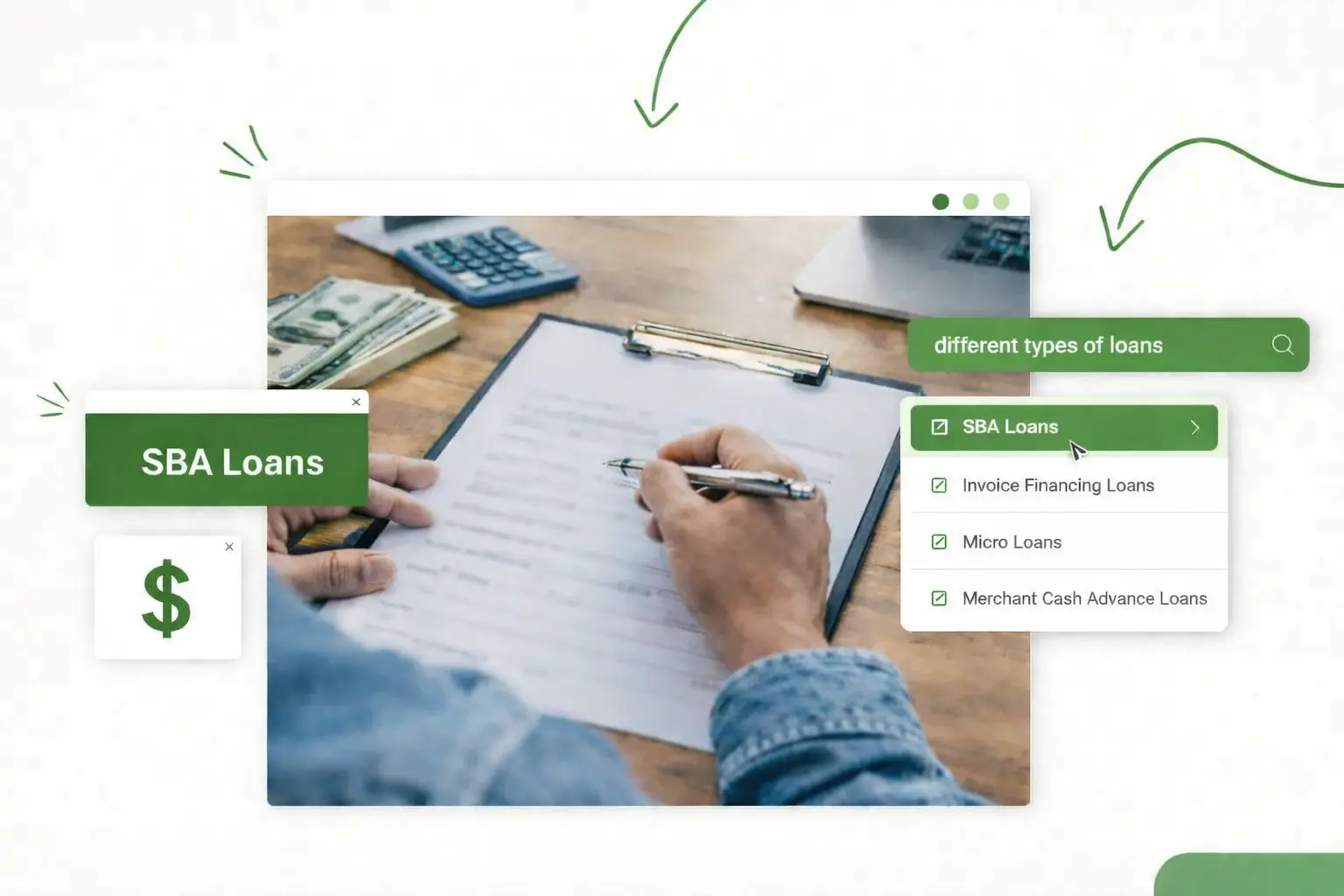
Spend much time researching funding options for small businesses, and you’ll almost certainly stumble across SBA (Small Business Administration) loans sooner or later. They’re frequently described as one of the best options open to would-be small business owners, and with good reason.
SBA loans are famous for their comparatively low interest rates, longer repayment periods, and ability to help entrepreneurs build the foundation they need to support solid business growth. However, they can also be paperwork-heavy, slow, and harder to qualify for than a lot of new business owners might expect.
That said, SBA loans can be a terrific option for the right type of small business at the right stage of development. But they’re not fast, easy, or guaranteed money. In fact, more than half of small business loan applicants receive only partial funding or are denied when seeking traditional financing.
In this guide, we’ll cover everything you need to know about SBA loans to make an informed decision, including what they are, how they work, and how to tell whether they’re a good fit for your business right now.
What is an SBA loan?
Despite the name, an SBA loan isn’t actually issued by the government. Banks, credit unions, and other approved lenders facilitate SBAs, but the Small Business Administration (SBA) supports the loans by guaranteeing a specified portion of the total amount.
This guarantee is really the key to understanding how SBA loans work and why they’re considered such a great choice for so many businesses.
With an SBA loan, the SBA agrees to cover a portion of the lender’s loss in the event the borrower can’t fully repay. This helps minimize the risk involved for the lender, which often makes them more willing to:
- Approve small business loans in the first place
- Offer generous repayment terms
- Discuss better rates
However, it’s essential to understand that this guarantee doesn’t absolve the borrower from responsibility. You’ll still need to repay the loan, and you’ll still be working directly with the lender you chose (not the SBA).
As far as what you can use SBA loan funds to cover, there are plenty of options. Most business owners use theirs to cover common business needs, like expansions, equipment purchases, real estate costs, or working capital.
How do SBA loans work?
SBA loans take longer to secure than standard loans because they typically involve more steps. Here’s a breakdown of how the process usually plays out:
- You apply for an SBA loan through a participating lender of your choice. The lender will then review your application, as well as your credit profile, such as your credit score, and financial information.
- If the lender thinks the proposed loan is a good fit, they’ll apply to the SBA for a guarantee. The SBA will then review the request to make sure it meets program requirements.
- Upon guarantee approval, the lender will finalize your loan and disburse the funds.
From there, you’ll make payments to your lender, not the SBA. Keep in mind that the SBA is never your bank at any time. Their role is strictly background.
Personal guarantees and collateral
One important factor to be aware of if you’re thinking about pursuing an SBA loan is that if you own 20 percent or more of your business, the SBA will require you to personally guarantee the loan. Note that this stipulation applies even if the business is a corporation or LLC.
With a personal guarantee in place, the lender can pursue personal assets to help recover the debt if your business can’t repay it. The lender may require collateral, as well, depending on the type and amount of the loan. Examples can include real estate, business assets, etc.
Types of SBA loans
The SBA offers several different loan programs to consider, each with a specific set of business needs in mind. Here’s a brief look at the primary categories to be aware of.
SBA 7(a) loans
The SBA 7(a) program is one of the most flexible and commonly chosen SBA programs. Borrowers can apply funds to a wide range of purposes, including acquisitions and expansions, working capital, equipment, and (in some cases) refinancing. Think larger growth initiatives like these and others.
SBA express loans
SBA Express loans are basically leaner versions of the SBA 7(a) program. Most come with lower maximum loan amounts. However, processing times are usually faster. You’ll need strong documentation and great credit, though. This type of loan is generally best for established businesses in need of moderate funding.
SBA 504 loans
Designed with long-term fixed assets in mind (e.g., real estate or heavy equipment), SBA 504 loans reflect a different structure than 7(a) loans. They also frequently involve a Certified Development Company (CDC) along with the lender. A 504 loan makes a good fit when a business wants to purchase property or invest in infrastructure without the need for lengthy repayment terms.
SBA microloans
These are smaller loans typically aimed at new businesses and communities that are often underserved. Nonprofit lenders usually issue them, so they often come attached to more flexible requirements and perks like support services.
Other specialized SBA programs
The SBA also offers multiple specialized programs for disaster recovery, export-focused businesses, pilot initiatives, and certain industries. However, these programs are more situational in nature, so they’re best explored through a chosen lender or qualified advisor.
SBA loans for LLCs vs sole proprietors
If you have an LLC or a sole proprietor, either can apply for SBA loans, as the SBA doesn’t exclude any business based on structure alone. However, business structure will often affect the way your lender evaluates risk.
For example, an LLC might appear more established, thanks to details like separate business finances, formal documentation, and clear ownership records. All of those things can help the approval process go a lot more smoothly.
But regardless of structure, you can expect a lender to focus on:
- Your personal credit history
- Business financials
- Personal guarantees from qualifying owners
Forming an LLC won’t necessarily guarantee loan approval, but it can help the process proceed smoothly. A multi-member LLC can expect to possibly face additional review, particularly in regard to operating agreements or ownership percentages.
What SBA loans can be used for
SBA loan funds must be used for legitimate business purposes, so expect lenders to ask for a detailed rundown on how you plan to apply the funds if approved. Common approved uses include examples like the following:
- Working capital
- Commercial real estate
- Equipment purchases
- Business expansions or acquisitions
- Refinancing for certain types of business debt
Generally speaking, a lender wants to see that a loan will support sustainable daily operations, repayment, and similar purposes, as opposed to personal uses or speculation.
Pros and cons of SBA loans
While SBA loans definitely offer small business owners plenty of benefits, there are trade-offs involved, as well. Consider the following pros and cons carefully before taking the next steps.
Pros of SBA loans
- SBA loans offer comparatively competitive interest rates
- SBAs usually come attached to longer repayment terms, which can help improve cash flow and make monthly payments easier to manage
- Funding amounts are often larger than many of the alternatives, making SBA loans uniquely suitable for major investments
- Monthly payments are predictable, which supports smooth long-term planning
Cons of SBA loans
- SBA loans are usually harder to qualify for than a lot of alternatives
- The approval and funding process can take multiple weeks or months
- Application requires extensive documentation and full financial transparency
- Personal guarantees (if required) can raise financial exposure for small business owners
SBA business loan requirements
Although the exact requirements involved can vary quite a bit from one lender or loan type to another, most SBA programs carry similar requirements and expectations. Generally speaking, you can expect a lender to look for:
- For-profit United States businesses
- Compliance with SBA size standards
- Demonstrated ability to successfully repay the loan
- Owners with strong personal credit histories
- Sufficient time in business (preferably multiple years)
- Owner equity investments
- Evidence that non-government funding options have already been properly explored
Naturally, approval ultimately depends on the full financial picture behind your business. You should also be aware that there are no universal minimum credit score guarantees.
How to apply for an SBA loan
Ready to start the process of applying for and ultimately getting approved for SBA loan funds? Here’s a step-by-step guide to follow as you explore your options.
Step 1: Confirm eligibility
You can avoid unnecessary applications and frustration during the process by fully understanding eligibility terms upfront. Review your business size, credit readiness, and industry to confirm you’re a match.
Step 2: Choose an SBA-approved lender
Banks, credit unions, and certain online lenders offer SBA loans. Choose one with SBA experience, as they’ll be able to navigate their way through the process more fluidly.
Step 3: Gather documentation
Have your documentation in order before starting the application process. Be sure to include:
- Business financial statements
- Both business and personal tax returns
- Organizational and ownership documents
- A detailed business plan or projections (if required)
Step 4: Apply and wait
Average approval timelines usually range from several weeks to several months, as multiple parties need to fully review your application and documents. Be prepared to exercise patience when awaiting final approval.
When an SBA loan makes sense and when it doesn’t
SBA loans are not necessarily for everybody. They can be terrific funding fits for established businesses and owners with robust credit histories, especially when you don’t need immediate access to any funds granted.
However, they may not be right for businesses that are brand new and just starting a business, situations requiring emergency capital, or business owners who aren’t prepared for the processing of extensive paperwork. Always fully explore your options (including the application process) before deciding which is the right one for you.
Getting your business ready before applying
Preparation and special attention paid to clarity won’t guarantee approval for an SBA loan, but they can certainly make the process easier to manage. You can get your business ready and help the process along by:
- Choosing the right business structure
- Obtaining an EIN from the IRS
- Keeping comprehensive, fully organized financial records
- Maintaining your personal and business finances separately
- Maintaining clear ownership
Trusted platforms like Tailor Brands can help business founders successfully manage setup, take care of business details, and help operations stay organized as businesses grow. Naturally, using tools like these won’t guarantee funding or loan approval, but it can make navigating complex financing conversations easier.
Conclusion
Ultimately, SBA loans can be strong financing options for the right type of small business. Among other advantages, they offer extremely favorable terms, especially compared to the alternatives. However, they also call for preparation, patience, and realistic expectations.
Not every solid, capable business will qualify, so don’t panic if that turns out to be the case for yours. It simply means that another financing option may be a better fit for your current needs and business trajectory.
The most productive way to secure essential funding for your business is to develop a full understanding of your business’s readiness before beginning the application process. Explore the possibilities today!
FAQ
It’s a loan issued by banks or credit unions, with the Small Business Administration guaranteeing a portion of it to reduce lender risk.
Yes, if you own 20 percent or more of your business, the SBA requires a personal guarantee, even if the business is an LLC or corporation.
The main types include SBA 7(a) loans, SBA Express loans, SBA 504 loans, and SBA microloans, each suited to different funding needs.
Approval timelines typically range from several weeks to several months due to the multiple parties involved in reviewing the application.
SBA loans may not suit brand-new businesses, situations needing emergency capital, or owners unprepared for extensive paperwork.